
Our cosmetic dentist, Dr. Robin Rutherford, and our excellent, highly skilled dental hygienists offer comprehensive care for patients with periodontal (gum) disease. Beth Smith, RDH and Dana Eubanks, RDH each have more than 20 years experience and are leaders in their profession. Gum disease, known as gingivitis in its early stages, can cause bad breath, an unsightly smile, loss of teeth, and—if left untreated—serious health problems like strokes and heart attacks. To prevent the disease from progressing, it is important to understand what causes the problem and how to treat it.
- What Is Gum Disease?
- Causes of Gum Disease
- Stages of Gum Disease
- Gum Disease Risk Factors
- Gum Disease Treatment
- Additional Gum Disease FAQs
What Is Gum (Periodontal) Disease?
Gum disease, also known as periodontal disease, is a serious inflammatory condition that develops around a tooth due to a bacterial infection. The disease can affect as few as one single tooth to every tooth that is present in the mouth. Warning signs of gum disease usually include red, swollen, bleeding gums and bad breath.
If the condition is caught in its early stage, known as the gingivitis, Dr. Rutherford can repair the damage. However, if it is left untreated, the disease can turn into periodontitis—the most severe form of gum disease that leads to bone and tooth loss as well as systemic problems. Fortunately, Dr. Rutherford offers several dental procedures that can not only slow the progression of gum disease, but restore your healthy, beautiful smile.
What Causes Gum Disease?
Periodontal disease is caused by bacterial plaque or biofilm—a sticky, colorless film that is constantly forming on your teeth. This toxic bacteria attacks the soft tissue and bone around the teeth, leading to gradual recession and eventual tooth loss. It has also been found in the plaque that blocks arteries. This evidence suggests that the oral bacteria causing gum disease may be related to coronary heart disease. In addition, COPD/ lung disease, arthritis, stroke and diabetes have been associated with bacterial infections in the mouth, making it even more compelling to control the pathogens present in gum disease.
What Are the Different Stages of Gum Disease?
Gum disease generally progresses gradually, becoming more serious if not treated early. Understanding its stages can help patients recognize symptoms and seek timely care.
- Gingivitis – This early stage of gum disease causes red, swollen gums that may bleed during brushing or flossing. Gingivitis can typically be reversible with proper oral hygiene and professional care.
- Early Periodontitis – Plaque and bacteria spread below the gumline, leading to gum inflammation and the beginning of bone loss around the teeth.
- Moderate Periodontitis – Gum pockets deepen, gums begin to recede, and more significant bone loss occurs, increasing the risk of tooth instability.
- Severe Periodontitis – Advanced bone and tissue destruction can cause loose teeth and eventual tooth loss if left untreated.
What Are The Risk Factors For Gum Disease?
Tobacco Use And Smoking
While tobacco use is commonly linked with many serious illnesses, many people do not know that using tobacco also puts you at great risk of periodontal disease. It can be a significant factor in the development, as well as progression, of periodontal disease. If you smoke long enough, the chances are much higher that you will lose your teeth to gum disease!
Stress
Stress can weaken the body’s ability to fight off serious infections, including periodontal disease.
Diabetes
Having diabetes puts you at a greater risk of developing infections, including periodontal disease. Gum infections can make it more difficult for the body to process and use insulin, which may cause diabetes to be harder to manage. In turn, periodontal disease can become more severe in patients with diabetes. Millions of Americans have diabetes and many others have not been properly diagnosed.
Genetics
Some patients may be up to six times more likely to develop periodontal disease, even with proper oral care. Genetic testing can typically be done before they even show signs of periodontal disease. Identifying and undergoing early interceptive treatment may help patients with a lifetime of healthy teeth.
Puberty, Pregnancy, And Menopause (For Women)
Although brushing, flossing daily, regular exercise, and a nutritious diet are key for a healthy life, there are moments during a woman’s life when additional care is necessary. During puberty, pregnancy and menopause, a woman’s body experiences a lot of hormonal changes that can affect numerous tissues in her body, as well as her gums. The gums can react more strongly to her hormonal fluctuations, putting her at risk for periodontal disease. In addition, current statistics suggest that pregnant women who have periodontal disease are seven times more likely to deliver preterm babies that have low birth weight.
Medications
A number of drugs such as antidepressants, oral contraceptives, and certain heart medications can influence a person’s oral health. It is important to inform Dr. Rutherford and our team of any medications that you are taking, as well as any changes that have occurred in your overall well-being.
What Gum Disease Treatments Are Available?
Saliva Testing
Sometimes it is necessary to prescribe antibiotics to get rid of certain bacteria that cannot be removed during gum therapy. A simple diagnostic test will give valuable information to your dental clinician for the assessment and treatment of gum disease.
Diode Laser Treatment
Laser dentistry has a detoxifying effect on gum disease, which is why it is advantageous in periodontal therapy. During a non-surgical laser treatment, a hygienist removes any debris and calcified deposits from teeth, and a laser is used to selectively remove diseased or infected tissues lining the pockets around your teeth. At the same time, the laser will kill bacteria that cause gum disease and promote healing of your gums.
The bacteria-killing effectiveness of the diode laser has been well-documented. It has shown to significantly slow the dangerous bacterium that is associated with aggressive gum disease. This bacterium is not only on the diseased root surface, but it also invades the nearby soft tissues, making it difficult to remove by mechanical instrumentation alone. In the past, this has often made the use of antibiotics necessary. However, the diode laser provides a non-antibiotic solution.
Perio Protect®
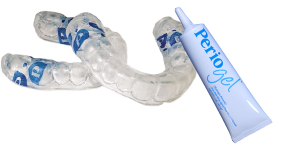 Perio Protect® is a non-invasive method of treating gum disease. This innovative system requires patients to regularly wear a Perio Tray® between routine dental cleanings to help prevent their gum disease from progressing. The device is designed to deliver medication below the gums. It resembles a mouth or night guard but has a special seal to effectively reach the pockets between the teeth and gums where a toothbrush, dental floss, and mouthwash typically cannot reach.
The Perio Tray® is custom-made to the dimensions of your mouth to ensure a proper and comfortable fit. This seals the tray to your gums, creating pressure that pushes the medication beneath the gum line. The device should be worn anywhere from one to three times daily for approximately 10 to 15 minutes each. This allows the medication to fight bacterial infections while encouraging the gum tissue to heal. The specifics of your treatment will depend on your unique needs and will be discussed with you during your appointment with Dr. Rutherford.
This exciting treatment can often prevent the need for gum disease surgery in the future, as it helps stop gum disease from getting worse. With consistent use as directed by Dr. Rutherford, you can keep your condition under control and protect your oral health for the future.
Additional Asked Questions About Gum Disease and Periodontal Care
Can gum disease be present without pain?
Yes, gum disease can be present without pain, especially in its early stages. Gingivitis and early periodontitis often develop silently, with symptoms such as mild redness, swelling, or bleeding during brushing that may go unnoticed. Since this condition typically isn’t painful at first, many patients are unaware there is a problem until gum disease has progressed. As it advances, signs may include gum recession, persistent bad breath, or loose teeth—sometimes still without significant discomfort. This is why regular checkups and professional dental cleanings are essential for detecting gum disease early and preventing more serious oral health issues.
Can gum disease affect overall health?
Gum disease can affect a patient’s overall health. Research has shown a connection between periodontal disease and systemic conditions such as heart disease, diabetes, stroke, and respiratory issues. The bacteria and inflammation associated with gum disease can enter the bloodstream, potentially contributing to inflammation throughout the body. Gum disease may also make it harder to control blood sugar levels in patients with diabetes. Treating gum disease and maintaining good oral hygiene can help reduce these risks and support both oral and general health.
How long does periodontal treatment take?
The length of periodontal treatment generally depends on the severity of the gum disease and the type of treatment needed. Mild cases, such as gingivitis, may improve with professional cleanings and improved home care over a few weeks. More advanced periodontitis often requires scaling and root planing, which may be completed over one or multiple visits. Healing and improvement continue over several weeks, with follow-up appointments to monitor progress. Ongoing periodontal maintenance visits are usually recommended to help keep gum disease under control and support long-term oral health.
If you are showing signs of gum disease, or would like more information about periodontal therapy, please contact The Art of Dentistry to schedule an appointment with Dr. Rutherford.