Recovery and Aftercare Following a Smile Makeover
 Recovery after a smile makeover generally depends on which treatments are involved, ranging from little to no downtime to a longer healing period for restorative work. Sticking to provided aftercare instructions and maintaining good oral hygiene habits are key to keeping your results looking their best for years to come.
A smile makeover can be a transformative experience, boosting not just the appearance of your teeth but your confidence in everyday interactions. Whether you’re combining several cosmetic treatments or focusing on one or two specific concerns, understanding what happens after your procedures are complete is just as important as the treatments themselves.
Cosmetic dentist Robin Rutherford, DDS, emphasizes that a smile makeover doesn’t end in the treatment chair. Proper recovery and long-term aftercare play a major role in how well your results hold up over time.
What Is a Smile Makeover?
A smile makeover isn’t a single procedure, but rather a customized combination of cosmetic and, in some cases, restorative dental treatments designed to improve the overall look of your smile. Depending on your goals, it might include teeth whitening, porcelain veneers, orthodontic treatment, gum contouring, crowns, or dental implants. Since every smile is different, a smile makeover plan is tailored to address individual concerns such as discoloration, chips, gaps, misalignment, or missing teeth. The specific procedures chosen can directly influence what recovery looks like, which is why it’s helpful to think of aftercare as a spectrum rather than a one-size-fits-all timeline.
Recovery Following a Smile Makeover
Recovery time after a smile makeover can vary significantly depending on which procedures are included in your treatment plan.
- Less invasive treatments, such as teeth whitening or minor dental bonding, typically involve little to no downtime. You may notice mild, temporary sensitivity, but most people can resume normal activities the same day.
- More extensive procedures, such as dental crowns, veneers requiring tooth preparation, or dental implants, generally come with a longer healing period. Implants in particular require time for osseointegration, the process by which the implant fuses with the jawbone, which can take several weeks to a few months.
Regardless of which treatments you undergo, some common side effects can occur in the days following your procedures, including soreness, tooth sensitivity, and mild swelling of the gums or surrounding tissue. These effects are usually temporary and tend to improve within a few days to a couple of weeks, depending on the extent of the work performed.
During the initial recovery period, it’s often best to stick to softer foods that require minimal chewing, such as soups, mashed potatoes, scrambled eggs, yogurt, and smoothies. This can minimize discomfort and reduce the risk of disrupting healing tissue or newly placed restorations. Avoiding overly hot, cold, or crunchy foods for the first few days may also help manage sensitivity.
Every treatment plan is different, so Dr. Rutherford can provide detailed, personalized post-operative instructions based on the specific procedures you’ve had done. Following these guidelines closely, including any recommendations about medication, oral hygiene adjustments, or follow-up visits, can make a meaningful difference in how smoothly your recovery goes.
Maintaining Smile Makeover Results
Once you’ve healed from your procedures, the focus shifts to aftercare and long-term maintenance. A smile makeover is an investment, and how you care for your smile afterward plays a big role in how long your results last.
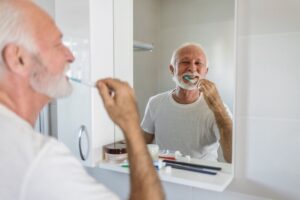
- Adhere to a consistent and strong oral hygiene routine. Brushing twice a day, flossing daily, and using an antimicrobial mouthwash can help protect both your natural teeth and any cosmetic work.
- Schedule professional dental cleanings at least twice a year. Regular checkups allow Dr. Rutherford to monitor your restorations, catch potential issues early, and keep your smile healthy overall.
- Avoid harmful habits such as smoking, chewing on ice, or using your teeth as tools to open packages. These habits can stain, weaken, or damage both natural teeth and cosmetic restorations.
- Address teeth grinding, if applicable. If you grind or clench your teeth, especially at night, it may be worth talking to our team about a custom nightguard to protect your investment from unnecessary wear.
It’s also worth noting that different treatments have different longevities. Teeth whitening results, for example, are not considered permanent and may require occasional touch-ups to maintain brightness, especially if you consume staining foods or drinks like coffee, tea, or red wine. On the other hand, dental implants are designed to be a long-term, often lifelong, solution when properly cared for, though the crown attached to the implant may eventually need replacement due to normal wear.
Key Takeaways
- Recovery time after a smile makeover typically depends on the specific procedures involved, ranging from minimal downtime for whitening to longer healing periods for restorative work.
- Mild soreness, sensitivity, and swelling are common in the days following treatment and usually resolve on their own.
- Sticking to soft foods immediately after treatment can support a smoother recovery.
- Long-term results can be influenced by consistent oral hygiene, regular dental visits, and avoiding habits that may damage teeth or restorations.
- Not all treatments last the same length of time, so understanding the expected longevity of each procedure can help set realistic expectations.
If you’re considering a smile makeover or want to learn more about what recovery might look like for your specific goals, reach out to schedule a consultation. A personalized conversation with Dr. Rutherford is the best way to understand your options and build a plan that fits your lifestyle.